More Ueno Park
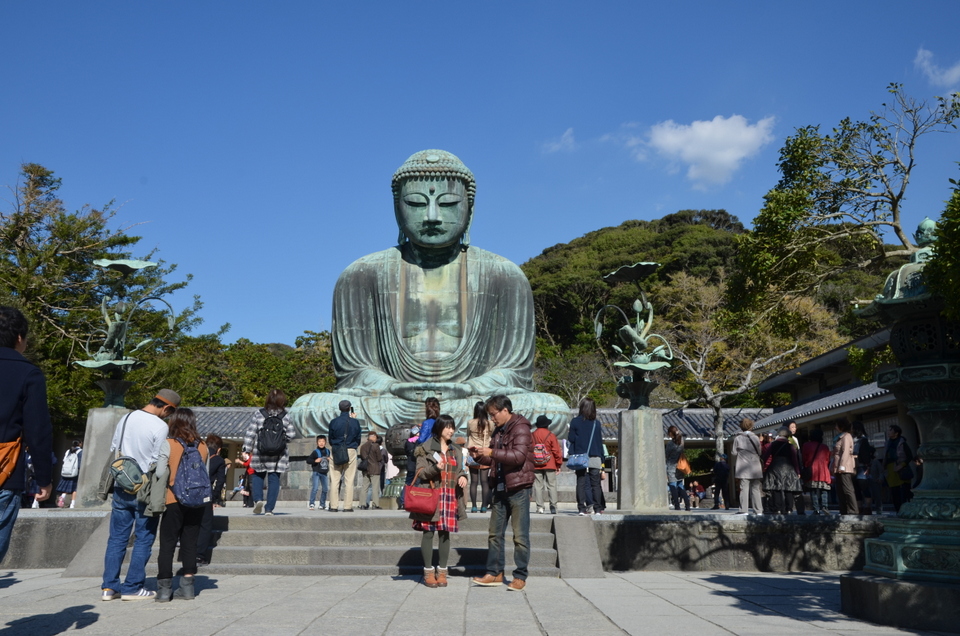
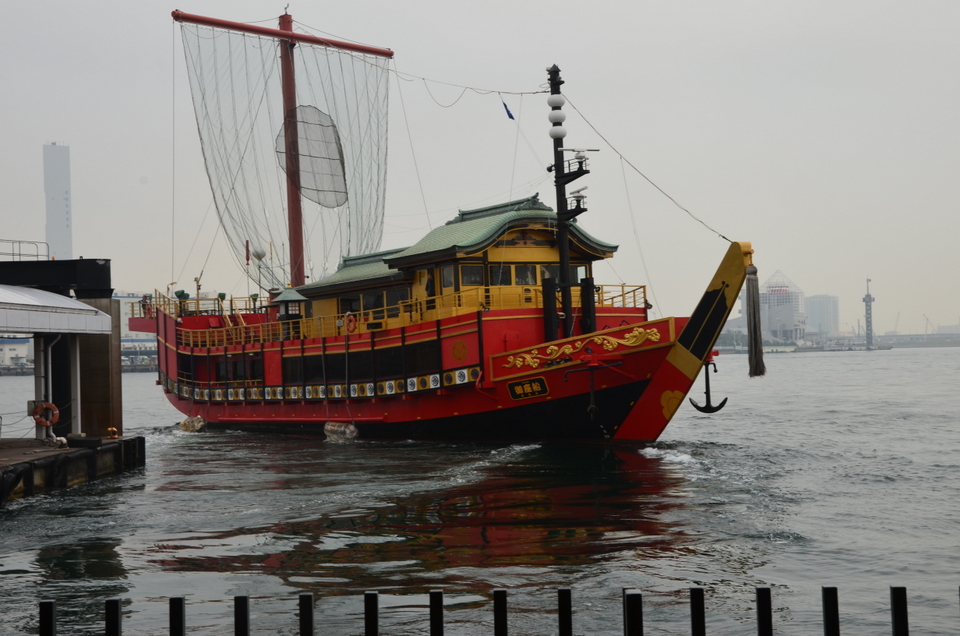
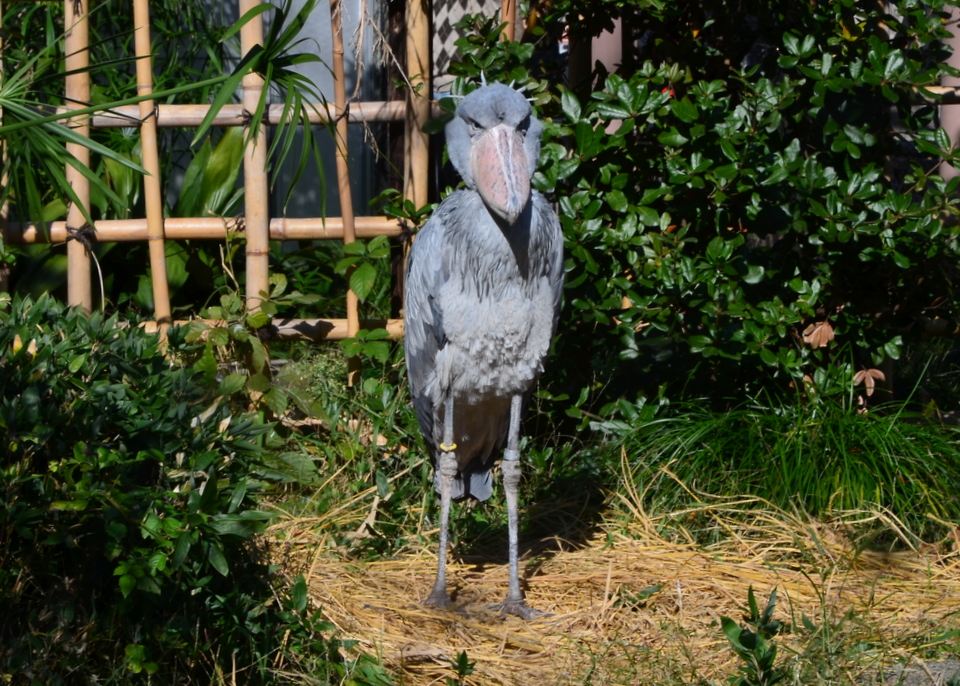
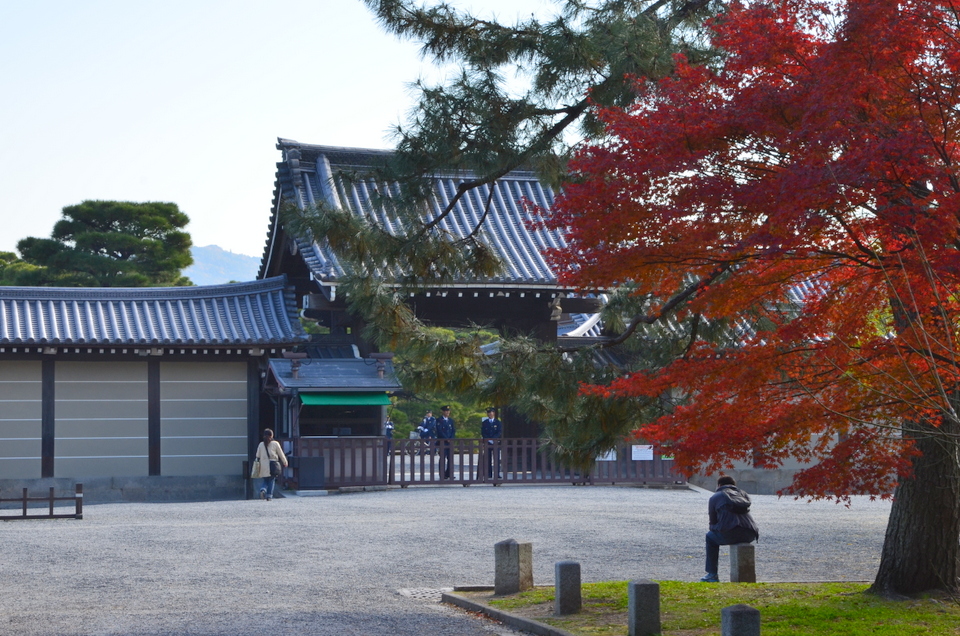
Thursday, October 15th, 2009(Sept 20) Various other attractions in Ueno Park. I think I managed to cover about half of it.
(more…)
(Sept 20) Various other attractions in Ueno Park. I think I managed to cover about half of it.
(more…)
(Sept 20) Since my flight home left in the evening, I was left with almost a full day to kill in Tokyo. I had never been to Ueno Park, so I decided to check it out.
There are lots of interesting things in the park, but the single most popular attraction is surely the zoo. My expectations were not very high based on my previous experience with Japanese zoos, but in this case I was pleasantly surprised. It doesn’t quite measure up to one of the top-ranked American zoos (e.g. San Diego, Washington or the Bronx) but given the limited space they have available it is really pretty good.
(more…)
(Sept 19) Every morning the colorful market district near the train station bustles with vendors selling the fresh produce and fresh seafood for which Hokkaido is famous.
(more…)
(Sept 18) Hakodate takes its name from the Ainu words for “box house”, referring to a trading post built there centuries ago. Over the years it grew into a bustling port. When the Shogunate was forced to end its policy of isolation, Hakodate and Shimoda were the first two ports opened to foreign trade in 1854. Thus Hakodate became one of the first places where Western culture entered Japan.
(more…)
(Sept 17) Toyako Onsen is located on the shore of Lake Toya, s beautiful caldera lake, at the foot of Mt Usu (Usuzan), one of Japan’s most active volcanoes.
(more…)
(Sept 16) There are no Ainu “reservations” where the Ainu can live together and practice their traditions. The Ainu today live in Japanese cities and towns, speak Japanese and work at regular jobs.
The Ainu Museum in Shiraoi is dedicated to preserving what is left of Ainu culture.
(more…)
(Sept 14) The Sounkyo hot springs resort is a very small community nestled among the spectacular scenery of the Daisetsuzan National Park.
(more…)
(Sept 13) As the town’s only business is tourism, most of the street space in Akanko is devoted to hotels, restaurants and (most of all) souvenir stores. Gift-giving is very important in Japanese culture, so it would be unthinkable to come back from vacation without a suitcase full of miyage (souvenirs) for one’s friends and family.
(more…)
(Sept 13) The Lake Akan hot springs resort is a small community surrounded by the forests of Akan National Park.
(more…)
(Sept 12) An area with a number of geothermal sites.
(more…)
(Sept 11) The starkly beautiful Shiretoko Peninsula (from an Ainu phrase meaning “the end of the earth”) extends north into the frigid Sea of Okhotsk. Much of it is taken up by the Shiretoko National Park.
(more…)
(Sept 10) As an important part of the Meiji government’s plans to develop Hokkaido, a network of prisons was set up around the island. Prisoners from all over Japan were sent there to serve as convict labor for the many construction projects.
Abashiri Prison, on the frigid northern coast, was the toughest of these prisons; sometimes referred to as “Japan’s Alcatraz.” There is still a maximum-security prison in Abashiri, but in 1985 many of the old buildings were moved to a separate museum, which has made the town a magnet for curious tourists.
(more…)
(Sept 10) Views from a train, cornfields and fast food.
Hokkaido is sometimes compared to the American West, and it does present similar views of flat, open farmland stretching out into the distance with mountains in the background.
(Sept 9) Many of the more entertaining shops in Sapporo can be found in the Tanukikoji, a covered shopping arcade that extends for 8 blocks in the southeast quarter of the city.
(more…)
(Sept 9) If you have some free time in Sapporo, it might be worthwhile to check of the Botanic Garden of Hokkaido University, which includes a small but well-stocked natural history museum. These photos cover only a fraction of what is available.
(more…)
(Sept 8) If you want to learn about the history of Hokkaido, the Hokkaido Historical Museum is a good place to start.
(more…)
(Sept. 7) Train delays, quick overview of Sapporo, beer, lamb and a traffic accident.
Sapporo is the capital of Hokkaido prefecture and the largest city on the island.
(more…)
(Sept 6) The Holiday Inn at Narita Airport is not a ryokan. It’s a typical Western-style hotel, not too different from one you might find in America.
(more…)
I just got back from Japan with another load of photos to sort through. As before, I’m going to break them into multiple chronological posts. Each post will have a brief introduction with the photos below the fold, so those who are not interested can easily skip them.
That’s the end. I’ve gone through all my photos and posted everything that looked reasonably interesting.
If you are considering a trip to Japan I strongly recommend that you go for it. Japan is a strange and wonderful place, full of beautiful things, and a few things that are just a bit odd. The people are friendly and hospitable, service is uniformly excellent and the trains really do run on time. (The average delay for a shinkansen leaving the station is supposed to be about 6 seconds.)
The country has a reputation for being clean, safe and expensive, and that’s pretty accurate. Still at today’s exchange rates it seems less expensive in relative terms. Many other currencies have appreciated much more against the dollar than the Yen has.
I would like to thank our tour organizer, Mike Roberts of Samurai Tours. He did an amazing job and I’m sure we saw a lot more of Japan than most visitors get to see. I would also like to thank our local guides who illuminated much that would otherwise have been obscure.
Here are some photos that I think are interesting, but which don’t seem to fit anywhere else.
(more…)
Kyoto is much smaller than Tokyo, but it does have its own version of shopping districts. Teramachi and Shin-kyogoku are two parallel covered streets which seem to go on forever, connected to each other by short alleys so that they form a single complex. The complex is usually crowded with young people.
(more…)
I stumbled on this place by accident: a complex of buildings devoted to the practice of martial arts. It is located just around the corner from the Heian Shrine.
(more…)
The Heian Shrine is dedicated to two emperors: Kammu, who founded the city of Kyoto in 794, and Koumei, the last emperor to spend his life in the city. It is thus a focus of civic pride.
The entrance is marked by a suitably imposing torii.
(more…)
The ancient city of Nara, capital of Japan from 710 to 784, is a short train ride from Kyoto. Many people make the trip, and what most of them want to see is the great temple called the Todai-ji.
(more…)
The Kennin-ji is the oldest Zen Buddhist temple in Japan, established in 1202. It is notable for its artworks and beautiful gardens.
(more…)
This is Gion, the “Geisha District” made famous by the book and movie Memoirs of a Geisha. Perhaps I should call it a “Geiko District”, since in Kyoto a geisha is called a geiko (“art child”) and an apprentice geisha is called a maiko (“dance child”).
(more…)
The Ginkaku-ji (Silver Pavilion) is a Zen Buddhist temple that was built in 1474 by the Shogun Yoshimasa Ashikaga. Being the Shogun he presumably had nearly unlimited funds to work with. It’s interesting to consider how he spent them.
(more…)
In Hiroshima the Memorial Peace Museum is apparently THE place to bring elementary school children.
(more…)
The Homotsukan Treasure Hall contains hundreds of art works and other treasures donated over the centuries to the Itsukushima Shrine.
(more…)
Mt. Misen, the tallest mountain on the island, has been considered sacred since ancient times. The easiest way to get to the top is to take the ropeway that runs up the side.
(more…)
The Daishoin Temple on the lower slopes of Mt. Misen was founded by Kobodaishi in 806 and is the headquarters of the Omuro Branch of Shingon Buddhism.
The temple can be reached by climbing a very long staircase.
(more…)
Itsukushima Shrine is the largest shrine on Miyajima and the place most people want to see first. It dates back to the 6th century, though it was built in its present form in 1168.
(more…)
Miyajima (Shrine Island) is, as the name implies, the site of a number of striking shrines and temples. It claims to be “one of Japan’s Three Most Scenic Spots” (the others being the Amanohashidate sandbar and Matsushima Bay, neither of which I have seen.)
The island was visited by Kobodaishi in they year 806 and has a number of Shingon Buddhist temples. Because of the island’s sacred status, no one is allowed to die or be born there. I don’t know what the penalty is for breaking this rule.
(more…)
The Kokoen, located a short walk from the castle, consists of 9 formal gardens, some of them very beautiful.
(more…)
The city of Himeji boasts Japan’s most impressive-looking surviving castle. A castle was first built on the site in 1333 but was largely destroyed in the subsequent civil wars. The present form was built in 1601.
Even though it is made mostly of wood and plaster it has not burned down since, even when the city was bombed to rubble during the Second World War. However much of the original wood was replaced in a restoration project begun in the 1950s.
(more…)
Doutonbori Street is Osaka’s primary entertainment district. It comes to life at night: bright, noisy and crowded.
(more…)
An interesting cluster of temples is located near the center of Koya-san, where Kobodaishi first established his monastery.
(more…)
We leave the cemetery by the “corporate monuments path,” along which major corporations have built monuments for the spiritual benefit of their workers (and also possibly for the advertising value.)
(more…)